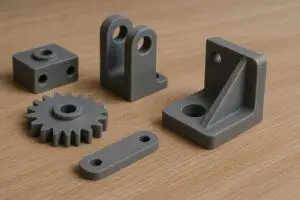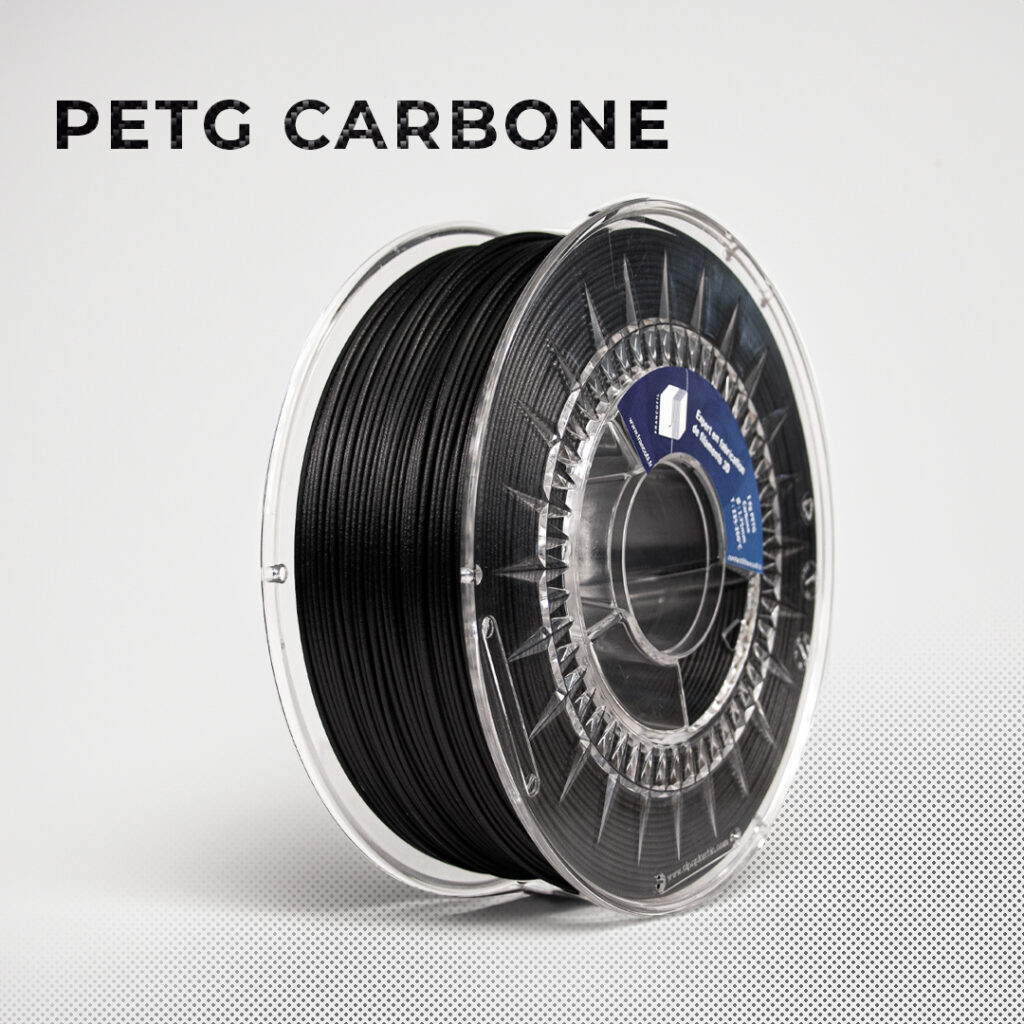
3D printing has become an essential method for the rapid manufacturing of prototypes, functional parts, and even finished products in many industrial sectors. Among the most popular materials in FDM, in addition to PLA, PETG stands out for its ease of printing, UV resistance, and good chemical and mechanical properties.
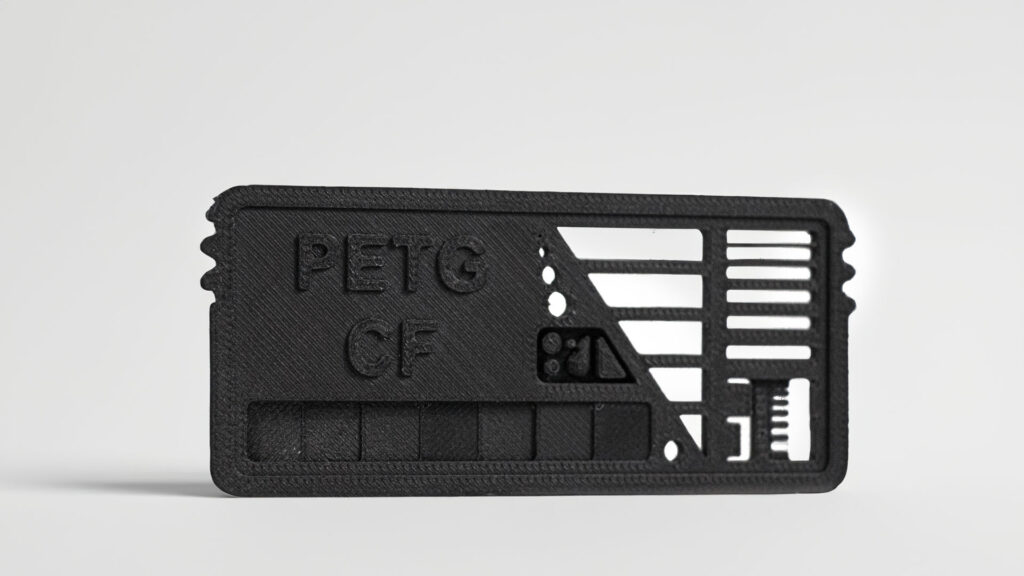
What is Carbon PETG?
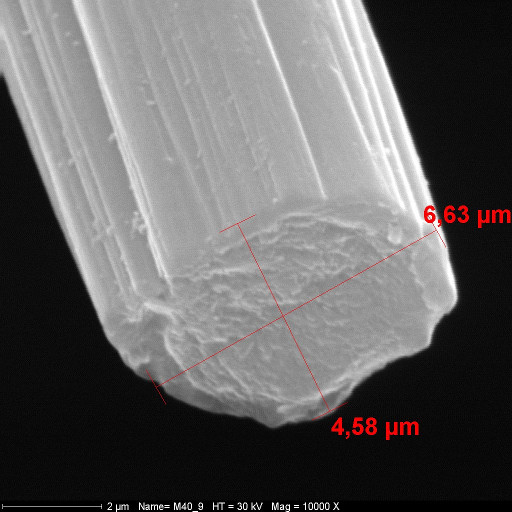
Carbon PETG is a PETG with short carbon fibers integrated into it. Carbon fibers are renowned for their lightness and extreme mechanical resistance, making them a material frequently used to reinforce composite materials.
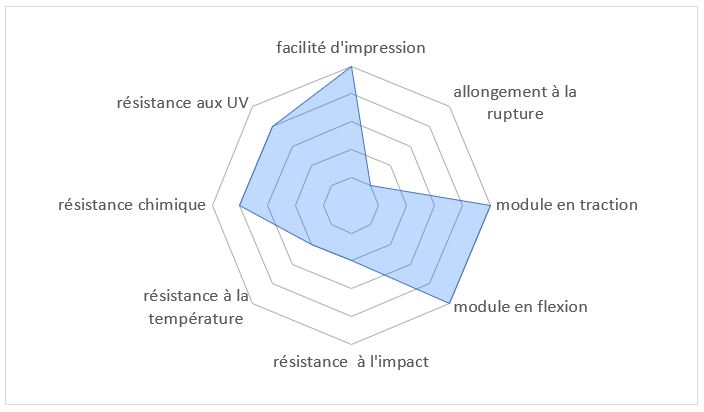
When added to PETG, they give the final print mechanical properties superior to virgin PETG, including increased tensile and flexural strength, as well as greater rigidity.
Properties of Carbon PETG
The carbon fibers added to the PETG reinforce the tensile and flexural strength of the printed part, making it more robust and durable, suitable for applications requiring high mechanical resistance.
Carbon fibers combine strength and lightness. The addition of carbon fiber to PETG therefore makes it possible to reinforce the part without adding excessive weight, which is advantageous for applications where weight is a critical factor, such as drones for example.
Carbon fiber filled PETG exhibits excellent dimensional stability during printing and cooling, as the fiber limits shrinkage. This allows for accurate results even for parts with complex geometries, and reduces warping issues.
Applications
Carbon PETG finds applications in many fields requiring strength and lightness, including:
- Aeronautical and automotive parts
- Production tools and templates
- Functional parts in machines and equipment
- Components for sports and leisure, such as drones
- Prosthetics and paramedical
Printing parameters
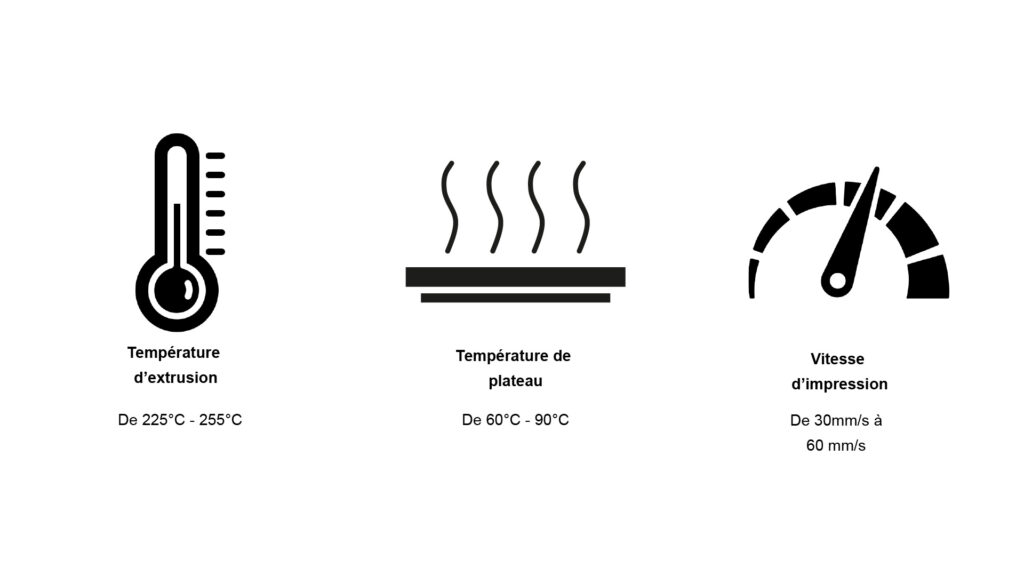
Carbon PETG does not require a closed printer and can be used on most FDM 3D printers. However, it is recommended to use a printer with a heated bed to ensure good adhesion.
Due to the abrasive nature of carbon fibers, it is advisable to use a steel nozzle rather than a standard brass nozzle. This reduces nozzle wear and ensures more durable prints.
Conclusion
Carbon fiber filled PETG offers an attractive solution for those looking for prints with superior mechanical strength, light weight and dimensional stability. This material is a versatile choice for a wide range of industrial and functional applications.
https://francofil.fr/?post_type=product&p=17639&preview=true&_thumbnail_id=17646